Permit and pop up stall rules for selling flowers in Southwark
Posted on 12/10/2026
If you want to sell flowers in Southwark, the paperwork can feel a bit more complicated than the bouquets themselves. One minute you are thinking about stems, buckets, and whether the roses will hold up in the cold; the next, you are wondering if you need a permit, whether a pop up stall is allowed, and what the council will expect from you. This guide breaks down Permit and pop up stall rules for selling flowers in Southwark in plain English, with a practical focus on what matters day to day. We will look at permissions, common setup scenarios, compliance, and the sensible next steps if you are planning a market-style or temporary flower stall.
Truth be told, the details can vary depending on where you want to trade, who owns the land, and whether your pitch is part of an organised event or an independent street-style setup. That is exactly why it pays to understand the basics before you turn up with stock and hope for the best. Let's make it easier.
Table of Contents
- Why permit and pop up stall rules matter
- How the rules typically work in Southwark
- Key benefits and practical advantages
- Who this is for and when it makes sense
- Step-by-step guidance
- Expert tips for better results
- Common mistakes to avoid
- Tools, resources and recommendations
- Law, compliance, standards and best practice
- Options, methods and comparison table
- Case study or real-world example
- Practical checklist
- Conclusion
- Frequently asked questions
Why Permit and pop up stall rules for selling flowers in Southwark Matters
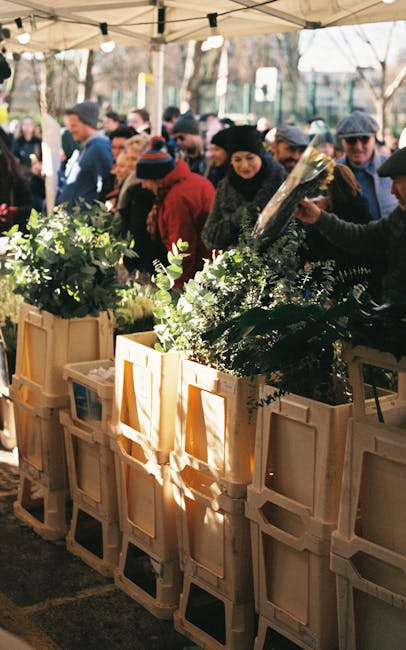
Flower selling looks simple from the outside. A table, some buckets, a handwritten sign, maybe a card reader, and off you go. But in a borough like Southwark, where pavement use, markets, private land, transport hubs, and busy footfall all overlap, small details can decide whether your stall is compliant or causes problems.
Why does this matter so much? Because the wrong pitch can create issues with obstruction, safety, trading permissions, complaints from neighbouring businesses, or even enforcement action. If you are on a public street, near a station, outside a shopping parade, or on land that is not clearly private to you, you should assume permission is needed until you have checked otherwise. That sounds cautious, and it is. But cautious is cheaper than moving stock at short notice.
There is also a business reason. A lawful setup tends to look more professional. Customers notice when a stall is tidy, stable, and clearly authorised. It gives confidence. And with flowers, confidence matters; nobody wants to buy a bouquet from a wobbly trestle table in the rain while the roses are sliding into a puddle. Not exactly premium retail theatre, is it?
In practical terms, getting the rules right helps you:
- avoid fines, objections, or forced removal
- protect your trading reputation
- choose a pitch that actually works for footfall and sales
- plan stock levels around the right trading hours
- manage health and safety, especially in busy pedestrian areas
For flower sellers, the stakes are often highest around short-term trading. A pop up stall can be brilliant for Mother's Day, Valentine's Day, weddings, memorial dates, or seasonal bursts like spring and summer. But the very flexibility that makes pop ups attractive is what often makes permissions trickier. Short notice does not mean no rules.
Expert summary: if your flower stall will occupy space that is not already part of your own lawful trading arrangement, assume you need to check permissions, confirm site rules, and understand who controls the land before you start trading.
How Permit and pop up stall rules for selling flowers in Southwark Works
The first thing to understand is that there is no single one-size-fits-all answer. The permission you need depends on the nature of the site and the kind of trading you plan to do. In Southwark, a flower stall might sit in several different categories, and each can have different requirements.
Common stall types
- Public pavement or street trading - usually the most sensitive type because it involves public space and pedestrian movement.
- Market pitch - often part of an organised market with its own rules, booking system, and operator approval.
- Private land pop up - for example, outside a business, in a forecourt, or on a privately managed site where the landowner controls access.
- Event-based stall - tied to a festival, seasonal event, or temporary activation where the organiser sets the terms.
Different permissions may apply at the same time. You may need approval from the site owner, the market operator, or the relevant local authority body. Sometimes the landowner gives the green light, but you still need to make sure the trading activity itself is lawful. Other times, the site may already have a permitted trading arrangement but require you to register as a trader or comply with pitch conditions. It can be a bit layered, frankly.
What councils and site operators usually care about
Even when the exact process differs, the concerns are often similar:
- whether the stall blocks footways, crossings, entrances, or sightlines
- whether the pitch is safe and stable
- whether the operation creates litter, noise, or nuisance
- whether food, drink, or other regulated items are being sold alongside flowers
- whether the trader has insurance, identification, and any required documentation
- whether the stall fits the agreed hours and location
Flowers are generally low-risk compared with many other temporary retail products, but they still need sensible handling. Water buckets, wrapping paper, sharp secateurs, trip hazards from signage, and cardboard packaging all need a bit of thought. On a busy morning in Southwark, one loose bucket can become everyone's problem very quickly.
How permission is usually checked
In practical terms, the process often starts with three questions:
- Where exactly will the stall stand?
- Who controls that land or pitch?
- What activity will take place, and for how long?
Those questions sound basic, but they cut through a lot of confusion. A flower seller operating from a market slot will usually need to work through the market's own booking and operational rules. A seller planning to put a pop up stall on pavement or roadside space will usually need a much more careful check, because public highway use is not something to assume. And if the setup is on private land, you still need written consent from the landowner or operator. Verbal permission sounds fine until nobody remembers giving it.
If your business also offers delivery alongside stall sales, it can help to build your trading model around both channels. For example, some sellers use a small pop up display to generate walk-up sales while directing larger orders through their flower delivery service or even a same-day option when demand spikes. That can reduce pressure on the stall itself and make stock planning a little more sane.
Key Benefits and Practical Advantages
Getting the permit side right is not just about staying out of trouble. It can actually improve your flower business in everyday ways.
1. Better trading stability
A lawful setup is less likely to be interrupted. That means fewer awkward conversations, fewer last-minute moves, and less risk of losing sales at the exact moment footfall is strongest. If you have ever tried to relocate a floral display in light rain while keeping tulips upright, you will know how quickly the mood can go downhill.
2. Stronger customer trust
People tend to trust a trader who looks organised. Clear pricing, tidy presentation, proper signage, and a stable pitch all suggest professionalism. This matters especially for gift purchases. Customers buying birthday flowers, sympathy arrangements, or wedding-related blooms want reassurance that the seller knows what they are doing.
3. Easier planning around peak dates
Flowers are seasonal and occasion-led. If you know your permissions are in order, you can plan around busy dates such as Valentine's Day, Mother's Day, Easter, prom season, and weddings. A secure setup means you can concentrate on stock, vase water, chill protection, and customer service rather than worrying about whether you are in the wrong place.
4. Less compliance stress
Once your documents, permissions, and site rules are in place, the day-to-day operation becomes simpler. You know what is allowed. You know what needs to be displayed. And you know who to speak to if something changes.
5. A better fit for your business model
Not every flower business needs a permanent shopfront. A pop up stall can suit test trading, seasonal launches, wedding markets, and community events. In that sense, the permit process is not just a hurdle; it is a way to choose the right format for your size and stage of business. For some sellers, that means starting small with a few lines, perhaps a compact range from budget-friendly flowers and adding premium options later through luxury bouquets or occasion-led displays.
Who This Is For and When It Makes Sense
This topic is relevant if you are:
- a florist wanting to trial a temporary stall in Southwark
- a wedding florist planning a one-off outdoor sales point
- a market trader adding flowers to an existing stall
- a business owner testing a pop up outside a cafe, salon, or shop
- an event organiser wanting floral sales at a fair, market, or local activation
- a home-based florist looking to move from delivery-only to face-to-face sales
It also matters if you already sell flowers online but want to create visibility in the local area. A stall can act like a living shop window. People browse, ask questions, and remember the brand. You do not always need a big footprint. Sometimes a compact arrangement, strong scent, and a few well-chosen stems are enough to stop people in their tracks on a busy pavement.
That said, a pop up stall is not automatically the best choice for every flower business. If your stock is highly perishable, if you need refrigeration, or if your target customers mostly order online, a stall may only work for specific dates. Likewise, if the pitch requires too much admin for the trading volume you expect, it may be smarter to focus on delivery, subscriptions, or pre-order collection instead. There is no prize for making life harder than it needs to be.
A useful rule of thumb: if your setup depends on footfall, impulse buying, and short trading windows, then it makes sense to work out the permissions early. If your flowers are mainly for weddings, funerals, or repeat local delivery, then a stall may be a supplementary sales channel rather than the core business.
Step-by-Step Guidance
Here is a practical way to approach flower stall permissions in Southwark without getting bogged down.
Step 1: Define the exact trading location
Write down the precise spot you want to use. Not just "near the station" or "outside the shops," but the actual pitch, frontage, or corner. The difference between one frontage and the next can be huge when permission is assessed.
Step 2: Identify who controls the space
Is it council-controlled highway land, a private forecourt, a market site, or event space? This is the key question. If you do not know, find out before anything else. It saves time later, and honestly, a lot of awkward back-and-forth.
Step 3: Ask what permission is required
Depending on the site, you may need a trading permit, a pitch booking, written landowner consent, or event organiser approval. Some sites may require several of these. Ask for the conditions in writing if possible.
Step 4: Check the trading conditions
Look at hours, dimensions, stall placement, display rules, waste responsibilities, insurance expectations, and whether power or water access is included. A flower stall looks simple, but the operational details are what keep it smooth.
Step 5: Prepare your documents
Have your business details, contact information, public liability insurance, and any ID or registration documents ready. If the site has its own trader onboarding process, complete it carefully. It is amazing how often small paperwork gaps cause a day's trading to stall.
Step 6: Plan the physical setup
Flowers need stability and presentation. Use secure containers, weighted displays if needed, and clear signage. Keep pathways open. Do not let buckets create trip points. If your stand includes add-ons like cards or gifts, keep the layout neat so customers can browse without bumping into everything.
Step 7: Prepare for weather and waste
London weather can change in a blink, as we all know. Wind, rain, and sudden sun all affect flower stock. Bring coverings, spare packing materials, and a waste plan. Wet petals and cardboard can make a site look tired very quickly.
Step 8: Review after the first trading day
Once the stall has run once, think honestly about what worked. Did the pitch catch footfall? Was it too cramped? Were customers asking for different colours or price points? Small adjustments matter. Sometimes a half-metre shift or a better sign makes all the difference.
Expert Tips for Better Results
These are the little things that often separate a decent pop up from a really good one.
- Keep the range tight. A few strong sellers often outperform a crowded display. Mixed bouquets, seasonal bunches, and one or two statement options can be enough.
- Use colour deliberately. In busy urban settings, strong colour contrast helps visibility. White and green looks clean, while bright mixed blooms draw the eye from a distance.
- Price clearly. Customers in a hurry need quick decision-making. If they have to ask the price of every bunch, you lose momentum.
- Think about scent. Some flowers sell because people smell them before they see the label. That little sensory pull works especially well on a street pitch.
- Make the display stable. A beautiful arrangement that wobbles in the first gust is not your friend.
- Prepare for quick transactions. Card payments, change, and simple wrapping options save time. The faster the checkout, the better the queue moves.
- Match stock to the local occasion mix. Southwark footfall can be a mix of commuters, residents, visitors, and event-goers. Keep some everyday bunches, not just premium showpieces.
If your business model includes gifts, cards, or add-ons, you may also want to align your stall with occasion-led ranges such as birthday flowers, thank-you flowers, or sympathy flowers. That way your stall can serve more than one type of customer without feeling cluttered.
And one more thing: do not over-decorate. It is easy to go from charming to cluttered in about five minutes. We have all seen it happen.
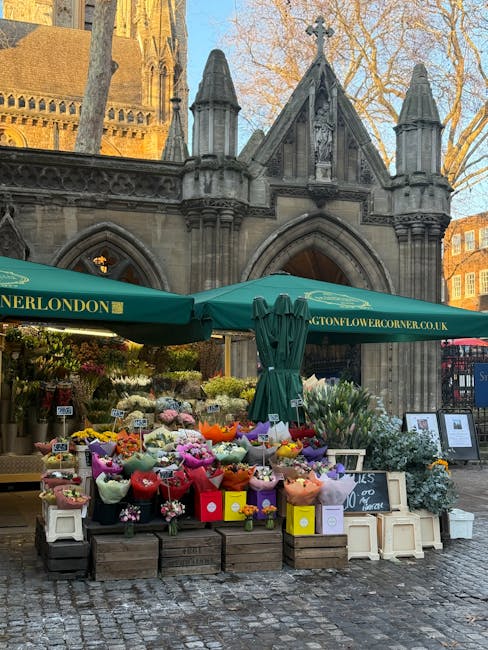
Common Mistakes to Avoid
Most issues with pop up flower stalls are avoidable. The same mistakes show up again and again, and usually they are not dramatic. Just annoying. And costly.
Assuming a busy area means permission is automatic
A well-used pavement or open area is not the same as a permitted trading pitch. Just because others seem to sell nearby does not mean the same arrangement applies to you.
Leaving permission until the last minute
Flower sales are often seasonal and time-sensitive, which makes it tempting to organise the pitch late. That is risky. Sites may already be booked, and approvals can take longer than expected.
Not checking stall size and boundaries
It is easy to spread out a bit too much when you are setting up. But an extra table edge or bucket line can become a problem if it encroaches on public movement space.
Ignoring weather impacts
Flowers, wrapping, signage, and customer flow all react badly to wind and rain. A stall that works on a still morning can struggle later in the day if you have not planned for the weather.
Forgetting the practical trader details
Customers want to pay easily, browse quickly, and leave with flowers that look fresh. Missing card payment options, weak packaging, or poor labelling can undo the whole effort.
Using stock that is not suited to short-display trading
Some flowers hold up better than others. If you are doing a pop up stall, choose varieties and arrangements that stay presentable during transport, setup, and trading hours. For many sellers, robust stems and mixed arrangements are easier to manage than delicate showpieces all day long.
Tools, Resources and Recommendations
You do not need a huge toolkit to run a flower stall well, but the right basics make a real difference.
Practical tools
- stable display tables or stands
- secure buckets and containers
- water supply or pre-filled containers
- weather protection such as covers or weights
- clear price labels and signage
- card payment equipment
- basic cleaning supplies
- packaging materials and carry bags
Operational documents
- proof of permission or booking
- business contact details
- insurance information
- site-specific trading conditions
- waste and set-up notes
For businesses already serving nearby customers, it can help to keep your website pages aligned with the kind of stock you want to display in person. A stall can be supported by polished online collections such as local florist services, flower shop options, and straightforward browsing by style or occasion. That way, the stall becomes part of a wider customer journey rather than a one-off tactic.
If you are working with a limited budget, focus on essentials first: compliance, stability, freshness, and payment. Fancy props are nice. Not necessary. A clean setup with good flowers usually wins over a dramatic display with weak logistics.
Law, Compliance, Standards, and Best Practice
This is the section people often skim, then regret skimming later. Not because flower trading is inherently complex, but because public-space trading brings a few legal and practical considerations together at once.
In Southwark, as elsewhere in London, you should treat permission, land use, and safety as separate questions. Having one does not automatically give you the others. A site owner may allow you to trade, but the layout still has to be safe. A market may welcome stallholders, but still require trader rules. And a temporary event may permit sales, but only within a defined area and time window.
Key compliance themes to think about:
- Land access: do you have the right to occupy the pitch?
- Trading permission: is the sale of flowers allowed in that place and format?
- Public safety: are people able to pass without obstruction?
- Insurance: do you have the cover expected by the site or organiser?
- Hygiene and cleanliness: is the area kept tidy and free from waste or slippery water?
- Noise and nuisance: are you keeping the operation proportionate to the setting?
It is also smart to think about accessibility. If customers use pushchairs, mobility aids, or wheelchairs, your stall layout should not force them into awkward detours. A good pop up stall feels welcoming rather than squeezed-in.
Best practice usually means: work with written permissions, keep a record of site conditions, label your prices clearly, and maintain a tidy footprint. If you are selling a range that includes occasion flowers, bereavement flowers, or wedding items, try to separate those product groups neatly. It helps customers understand the offer and makes the stall feel calm rather than chaotic.
If your trading plan includes more than one channel, such as delivery and walk-up sales, keep your terms, payments, and customer communication consistent. For example, if you offer local delivery as well as in-person purchases, make sure your policy pages such as terms and conditions, delivery, and returns and refund guidance are clear and easy for customers to find. That sort of consistency may sound boring, but it prevents confusion when orders are placed quickly.
Options, Methods, and Comparison Table
If you are deciding how to sell flowers in Southwark, it helps to compare the main options side by side.
| Option | Best for | Typical advantages | Common challenges |
|---|---|---|---|
| Market stall | Regular trading with built-in footfall | Structured environment, known pitch, established customer flow | Pitch fees, rules, set trading hours |
| Pop up stall on private land | Seasonal or event-based trading | Flexibility, branded presence, lower commitment than a permanent shop | Needs landowner approval, site-specific conditions |
| Street or pavement-style stall | High visibility locations | Strong impulse sales potential | Most sensitive in terms of permissions and space control |
| Delivery-led model with occasional stall | Businesses testing local demand | Lower overhead, easier stock planning, wider customer reach | Less spontaneous footfall, depends on promotion |
For many florists, the best route is not one model forever. It is a mix. You might do deliveries most weeks, test a pop up stall for seasonal peaks, and use a market pitch for a regular local presence. That blended approach can be surprisingly practical, especially when weather or demand is unpredictable.
Case Study or Real-World Example
Here is a realistic example based on a common setup, without pretending every detail is identical across sites.
A small florist in Southwark wants to run a weekend flower stall near a busy mixed-use area. The business has been doing delivery only, mainly birthday and sympathy orders, but wants to test walk-up sales before spring events and wedding season. Instead of arriving with a full display and hoping for the best, the florist first checks who manages the space, what type of pitch is available, and what written permission is required.
They discover the site wants advance booking, clear stall dimensions, proof of insurance, and a simple layout plan. Nothing dramatic. But the pitch also has one important condition: the stall cannot block a shared pedestrian route that gets busy around lunchtime.
So the florist changes the plan. They use a narrower display, add weighted buckets, keep the signage compact, and only bring the most robust flowers on the first day. Roses, mixed seasonal bunches, and a couple of ready-made gifting options do the best. A larger, delicate centrepiece range is left for delivery orders instead.
The result? Fewer setup headaches, a tidier stall, and better customer flow. Not a miracle. Just good planning. The florist notices that passers-by respond well to clear pricing and a few occasion-led messages, and by the end of the day the stall has become more of a local brand touchpoint than a pure sales table. A simple shift, but a meaningful one.
That is the real lesson: with flower stalls, the operational details are not separate from the sales result. They are the sales result.
Practical Checklist
Use this checklist before your first trading day.
- Confirm the exact pitch location.
- Identify who controls the land or site.
- Get written permission or booking confirmation.
- Check stall dimensions and allowed trading hours.
- Review insurance requirements.
- Prepare a tidy, stable display plan.
- Bring clear prices and payment options.
- Pack weather protection and spare materials.
- Plan waste disposal and clean-up.
- Make sure your stock suits short-display trading.
- Keep documents on hand in case they are requested.
- Test the setup before a busy date, if possible.
Quick practical reminder: if the stall looks a bit overstuffed in your garage, it will probably feel twice as cramped on the pavement. Trim it down. You rarely need as much as you think.
For product planning, many sellers find it useful to mix a few high-turn items with occasion-led flowers such as roses, tulips, or a general all flowers range. That keeps the stall flexible without making the display hard to manage.
Get a free quote today and see how much you can save.
Conclusion
Permit and pop up stall rules for selling flowers in Southwark are not there to make life awkward. They are there to keep trading orderly, safe, and fair in a busy urban setting. Once you understand who controls the space, what permission you need, and how the stall should be set up, the whole process becomes much more manageable.
For flower sellers, the best results usually come from simple, well-prepared setups: clear permissions, sensible stock, tidy presentation, and a realistic view of footfall. Start there and you are already ahead of most rushed pop ups. And to be fair, that calm, professional feel is exactly what customers remember when they are choosing flowers on the go.
If you plan carefully, your stall can do more than sell bouquets. It can build trust, test demand, and make your flower business feel properly rooted in the local area. Small stall, strong impression. That is the aim.
Frequently Asked Questions
Do I need a permit to sell flowers from a pop up stall in Southwark?
Often, yes, but it depends on where the stall is located and who controls the space. Public pavement, street, market, and private land setups can each have different permission requirements. The safest approach is to confirm the exact site rules before trading.
Can I just set up a flower stall on a busy street and see what happens?
It is not a good idea. Busy footfall does not equal permission. If the pitch sits on public land or affects pedestrian access, you may need specific approval. Turning up first and asking later can create avoidable problems.
What counts as a pop up stall for flowers?
Usually, it means a temporary or short-term selling setup rather than a permanent shop. It might be for a weekend, a seasonal event, or a limited run outside another business. The exact permission needed depends on the site and the trading arrangement.
Who should I ask for permission first?
Start with whoever controls the space. That could be a landowner, market operator, event organiser, or another managing body. If you are unsure, identify the site owner or administrator before you commit to stock or staffing.
Are market stalls easier than street stalls for selling flowers?
Usually, yes. A market stall is often a more structured environment with clearer rules and established customer flow. Street or pavement trading tends to be more sensitive because it affects public space and access.
What documents should I keep ready?
Keep permission or booking confirmation, business contact details, and any insurance information handy. Site operators may also ask for trader details, setup plans, or other basic identification. Having everything ready saves time and avoids last-minute stress.
Do I need public liability insurance?
Many site operators and organisers expect it, and it is generally sensible for any public-facing stall. It helps protect your business if something goes wrong. Exact requirements can vary, so check the pitch terms.
Can I sell flowers and gifts from the same pop up stall?
Yes, if the site rules allow it and your layout stays safe and tidy. Many sellers combine flowers with cards, small gifts, or seasonal add-ons. Just make sure the extra items do not make the stall cluttered or hard to browse.
What are the most common reasons flower stalls get into trouble?
The usual issues are poor permission checks, blocking footways, unstable displays, weak waste management, and not following site conditions. Most of these are simple to avoid once you have a clear plan.
How much space do I need for a flower stall?
That depends on the pitch and the type of display you want. Smaller, compact setups are often easier to manage, especially for temporary trading. Always work within the dimensions set by the site or operator rather than assuming extra room will be tolerated.
Can I use a pop up flower stall as a test before opening a shop?
Yes, and many businesses do. A temporary stall is a useful way to test demand, understand customer preferences, and build local awareness before committing to a permanent site. It works best when you treat it like a proper business trial, not a casual experiment.
What flowers sell best at a temporary stall?
That varies by season, location, and customer mix, but reliable, good-value bunches often perform well alongside a few standout bouquets. In practice, simple and fresh usually beats overly complicated. Customers like to see what they can buy quickly.
Where should I go next if I want to start selling flowers in Southwark?
Start by deciding on the exact location, then work out who controls it and what permission is needed. After that, plan your stall layout, stock range, and display method. Once those basics are sorted, the rest becomes far less daunting.